
Kidney problems can lead to a build-up of fluid in the lungs, which can make breathing difficult. If you experience shortness of breath, especially after physical exertion, it’s important to get checked out by a healthcare provider.
4. Changes in Urine Color
Your urine can reveal a lot about your health. If you notice that your urine has turned dark, rusty, or cloudy, it may indicate blood or abnormal waste products in your system. If the color changes persist, it could be a sign that your kidneys are struggling.
5. Foamy Urine
Foamy or bubbly urine can be a sign of protein in the urine, which may indicate kidney disease. Normally, the kidneys filter out excess protein, but when they’re damaged, protein can leak into the urine.
6. Pain in Your Lower Back
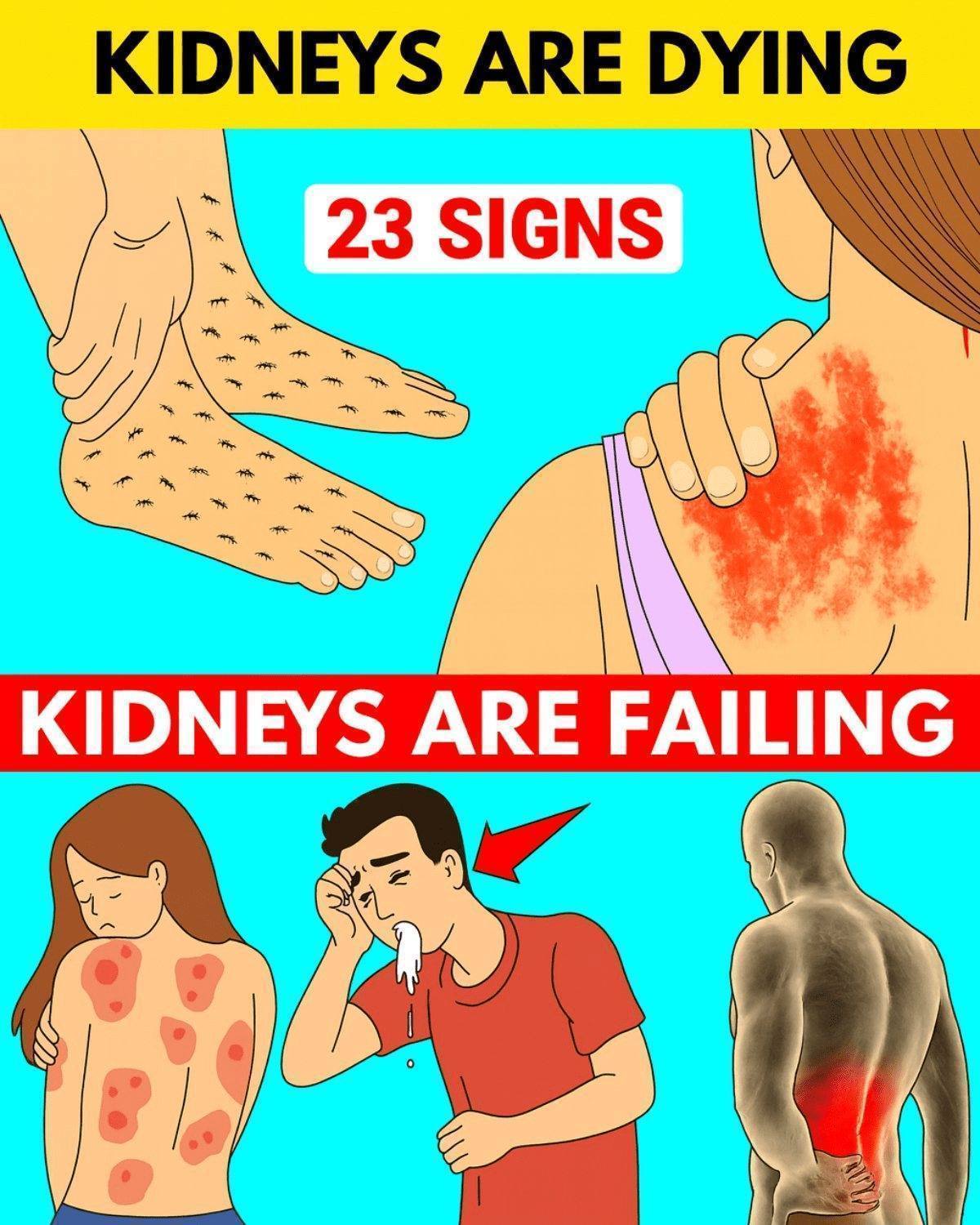
Pain in the lower back, especially on one side, could indicate a problem with your kidneys. This pain is typically associated with kidney stones or infection, both of which require medical attention.
7. Persistent Itching
Chronic itching, especially when there is no visible rash, can be a sign that waste products are accumulating in the body due to poor kidney function. This condition is called uremic pruritus.
8. Nausea and Vomiting
If you’re experiencing nausea or vomiting along with other kidney-related symptoms, it could be a sign of kidney failure. As toxins build up in the body, they can cause digestive issues.
9. Metallic Taste in Your Mouth
A metallic taste in your mouth, often referred to as “uremic fetor,” can occur when your kidneys aren’t filtering toxins properly. This can lead to an unpleasant taste and bad breath.
10. Decreased Appetite
A loss of appetite is a common symptom of kidney disease, often related to the accumulation of waste products in the body. This can lead to unintentional weight loss and malnutrition if left unchecked.
11. High Blood Pressure
Your kidneys help regulate blood pressure by controlling fluid balance. When they’re not working properly, it can lead to high blood pressure, which can, in turn, worsen kidney function over time.
12. Trouble Sleeping
Kidney dysfunction can interfere with sleep, especially if toxins are building up in your system. Sleep problems can also arise from restless legs or discomfort due to kidney disease.
13. Muscle Cramps
Kidney disease can affect your body’s ability to balance minerals like calcium and potassium, leading to muscle cramps and spasms, especially at night.
14. Dry Skin
Dry and flaky skin can be a sign that your kidneys are struggling. When kidneys fail to balance your body’s fluids, it can lead to dehydration and dry skin.
15. Poor Concentration or Confusion
As kidney disease progresses, the buildup of toxins in the bloodstream can affect your brain, leading to confusion, difficulty concentrating, or even memory problems.
16. Dark Circles Under Your Eyes
Dark circles under your eyes could be a sign of kidney issues. The kidneys are responsible for filtering waste, and when they don’t do their job properly, fluid retention and the buildup of toxins can cause puffiness and dark circles.
17. Sudden Weight Gain
Sudden, unexplained weight gain—especially in the abdomen or legs—can be a sign that your kidneys are retaining fluid. This is due to the kidneys’ inability to remove excess water from the body.
18. Cold Hands and Feet
If you experience cold hands and feet despite being in a warm environment, it could be a sign of poor circulation caused by kidney problems. Kidney disease can affect blood flow and lead to cold extremities.
19. Frequent Urination, Especially at Night
Frequent urination, especially at night (nocturia), is a common symptom of kidney issues. If your kidneys aren’t filtering properly, you may feel the need to urinate more often, even during the night.
20. Dehydration Despite Drinking Enough Water
Even if you’re drinking plenty of fluids, kidney problems can prevent your body from properly hydrating itself. This can lead to dehydration, leaving you feeling thirsty and fatigued.
21. Pale Skin
Pale or anemic skin is another sign of kidney issues. The kidneys produce erythropoietin, a hormone that helps stimulate red blood cell production. When the kidneys aren’t working properly, this hormone isn’t produced, leading to anemia and pale skin.
22. Sudden Change in Urine Frequency
If you suddenly find yourself urinating less or more frequently than usual, this could signal kidney dysfunction. Changes in urine frequency are one of the earliest signs that your kidneys may not be functioning properly.
23. Bad Breath (Uremic Fetor)
As toxins build up in the body due to kidney issues, you may notice bad breath with a unique, ammonia-like smell. This is known as uremic fetor and can be a telltale sign of kidney trouble.
Conclusion
Kidney disease is often silent in its early stages, which is why it’s important to pay attention to any strange or unusual symptoms that arise. If you’re experiencing any of the above signs, it’s crucial to speak with a healthcare provider to get proper testing and treatment. Early detection and treatment of kidney problems can prevent further damage and improve your overall health.
Remember, taking care of your kidneys through regular check-ups, a healthy diet, and proper hydration can help maintain their function and prevent serious health issues down the road.
