
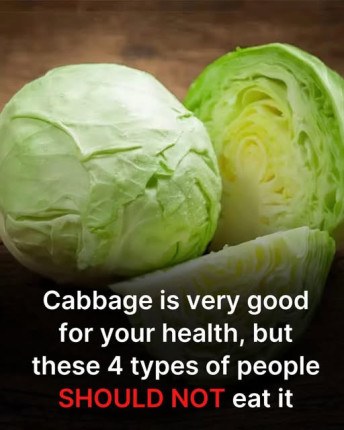
One of the main issues with cabbage for people with IBS is its high content of FODMAPs (Fermentable Oligosaccharides, Disaccharides, Monosaccharides, and Polyols). These are types of carbohydrates that are poorly absorbed in the small intestine and can cause digestive distress, such as bloating, gas, and diarrhea, in individuals with IBS. Since cabbage is a cruciferous vegetable, it is rich in fiber and these FODMAPs, which can trigger symptoms in sensitive individuals.
If you have IBS, it’s best to avoid large servings of cabbage or opt for smaller portions that are easier on your digestive system. Cooking cabbage thoroughly can sometimes reduce its FODMAP content, making it a little easier to tolerate.
2. People with Thyroid Issues (Hypothyroidism)
Cabbage, along with other cruciferous vegetables like broccoli, kale, and cauliflower, contains substances called goitrogens. These naturally occurring compounds can interfere with thyroid function by disrupting the body’s ability to absorb iodine. While consuming moderate amounts of cabbage is generally safe for most people, those with hypothyroidism or other thyroid issues should limit their intake of goitrogenic foods.
Goitrogens can potentially worsen thyroid function if consumed in large quantities, particularly in raw form. If you have thyroid problems, it’s recommended to cook cabbage to reduce the goitrogenic effect and consult with your doctor for personalized dietary advice.
3. People with Digestive Disorders or Sensitive Stomachs
Even for people without IBS or thyroid issues, cabbage can still cause digestive discomfort. Its high fiber content can be tough for some people’s stomachs to handle, leading to symptoms like bloating, gas, or even mild cramps. For those with more sensitive stomachs or digestive disorders like gastritis or acid reflux, cabbage can be an irritant, especially when eaten raw or in large quantities.
If you find that eating cabbage leaves you feeling uncomfortable, try limiting your intake or sticking to cooked cabbage, as the cooking process can help break down the fibers and make it easier to digest.
4. People with Blood-Thinning Medications (Coumadin/Warfarin Users)
Cabbage is rich in vitamin K, which plays an important role in blood clotting. For individuals who take blood-thinning medications like warfarin (Coumadin), it’s important to monitor your intake of vitamin K. While the occasional serving of cabbage isn’t likely to pose a significant risk, consuming large amounts can interfere with how these medications work and could reduce their effectiveness.
If you’re on a blood thinner, it’s advisable to keep your cabbage consumption consistent and in moderate amounts. Speak with your doctor to understand the appropriate balance for your specific medication needs.
Serving and Storage:
Cabbage can be stored in the fridge for up to a week, depending on how fresh it is. To maximize its shelf life, keep it in a plastic bag or container, ensuring that it stays crisp. If you’re preparing cabbage for a meal and want to make it easier on your digestive system, consider cooking it, as this can help reduce its gas-producing effects. Fermented cabbage, like sauerkraut, may also be gentler on the stomach for some people, as the fermentation process breaks down some of the fiber and FODMAPs.
Tips:
- Tip 1: For IBS sufferers, try smaller portions of cabbage and see how your body reacts. Cooked cabbage may be easier on the digestive system than raw cabbage.
- Tip 2: If you have thyroid issues, cook cabbage to reduce its goitrogenic effect. Steaming, boiling, or sautéing are great options.
- Tip 3: For sensitive stomachs, opt for cabbage in small amounts or consider adding it to dishes where it’s cooked thoroughly, like soups or stews.
- Tip 4: If you’re on blood-thinning medication, be mindful of how much cabbage you’re consuming. It’s all about consistency, so aim for a balanced and moderate intake.
Variations:
- Variation 1: If you’re sensitive to cabbage, try swapping it for other vegetables like zucchini or spinach, which may be gentler on your digestive system.
- Variation 2: Fermented cabbage (sauerkraut or kimchi) can offer some benefits for gut health without the same level of discomfort as raw cabbage.
- Variation 3: If you have thyroid issues, you can choose to incorporate low-goitrogenic vegetables like carrots or bell peppers into your diet for similar nutritional benefits.
Conclusion:
Cabbage is undoubtedly a nutritious and versatile vegetable, but like all foods, it may not be suitable for everyone. If you have IBS, thyroid issues, digestive sensitivity, or are on blood-thinning medication, you may want to reconsider eating large amounts of cabbage or find ways to prepare it that make it easier for your body to handle. As always, it’s important to listen to your body and adjust your diet according to your specific health needs. Consult with a healthcare professional if you have concerns about how cabbage might affect your health or if you need help finding alternatives that work better for you.
FAQ:
- Q: Can I eat cabbage if I have a sensitive stomach?
- A: If you have a sensitive stomach, it’s best to start with small portions of cooked cabbage, as cooking can make it easier to digest. If you experience discomfort, consider eliminating it from your diet.
- Q: How can I reduce the goitrogenic effect of cabbage if I have thyroid issues?
- A: Cooking cabbage reduces its goitrogenic effect, so it’s better to cook it before consuming it. If you have thyroid concerns, try not to eat it in large amounts and speak with your healthcare provider.
- Q: What vegetables can I eat if I’m avoiding cabbage?
- A: If you’re avoiding cabbage due to digestive or thyroid issues, try vegetables like carrots, zucchini, or spinach. These are gentler on the stomach and do not contain goitrogens.
