
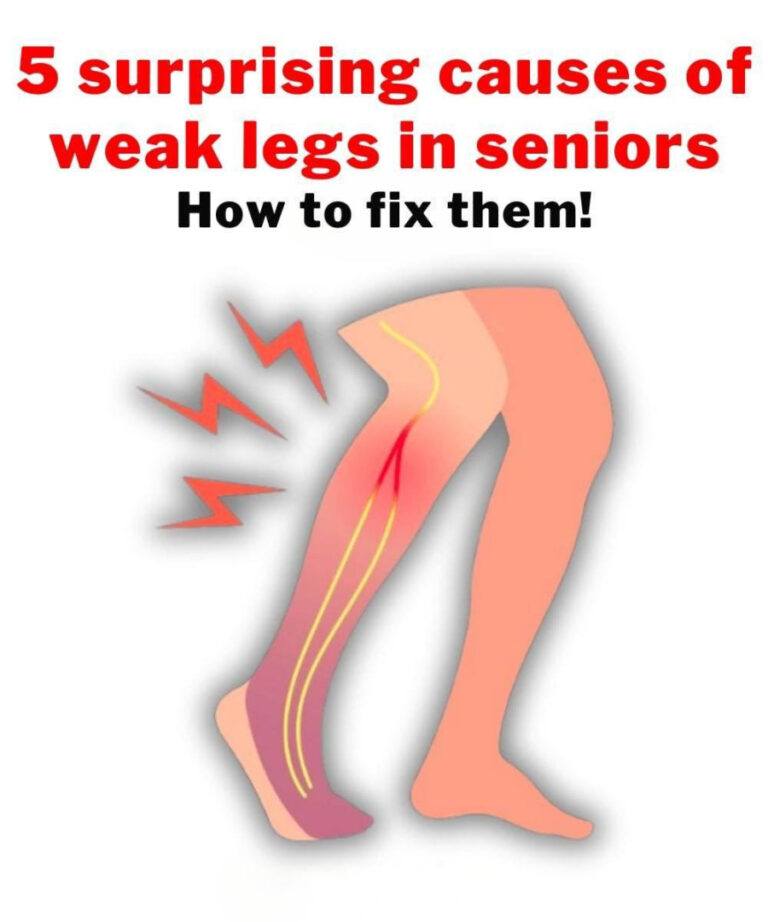
As we age, circulation can naturally become less efficient, leading to weak legs and a feeling of heaviness or numbness. Conditions like peripheral artery disease (PAD) or venous insufficiency can cause blood flow to the legs to become restricted, resulting in reduced oxygen and nutrients being delivered to the muscles. This poor circulation can contribute to leg weakness and fatigue, making it difficult to stand or walk for long periods of time.
How to Fix It: Improving circulation often involves regular exercise, which encourages better blood flow. Simple activities like walking, swimming, or cycling can make a big difference. Compression stockings may also help with venous insufficiency by improving blood flow in the legs. It’s also important to manage underlying health conditions like high blood pressure or diabetes, which can contribute to circulation problems.
4. Medications
Many seniors take medications for a variety of health conditions, and some of these drugs can have side effects that contribute to weak legs. Certain medications, such as blood pressure medications (diuretics), statins, and sedatives, can cause muscle weakness, fatigue, or dizziness. These side effects may not always be obvious, but over time, they can affect mobility and strength.
How to Fix It: If you suspect your medication is contributing to leg weakness, talk to your doctor. They may be able to adjust your dosage, switch you to a different medication, or recommend supplements to counteract side effects. In the case of diuretics, ensuring adequate hydration and potassium intake can help combat muscle weakness.
5. Lack of Physical Activity
Lack of physical activity is one of the most common causes of leg weakness in seniors. When muscles are not used regularly, they begin to lose strength and flexibility. Sedentary lifestyles, whether due to health conditions or simple lack of motivation, can lead to atrophy of the muscles in the legs, making them weaker and more prone to injury.
How to Fix It: The key to combating muscle weakness from inactivity is movement! Seniors should aim for at least 30 minutes of moderate activity most days of the week. This could include walking, stretching, light weightlifting, or even chair exercises. It’s important to start slowly and gradually increase intensity to avoid injury, but regular physical activity will help strengthen leg muscles and improve overall mobility.
Conclusion:
Weak legs in seniors can result from a variety of surprising causes, from vitamin deficiencies and dehydration to circulation problems and medications. By understanding these underlying factors and taking proactive steps, seniors can improve their leg strength and regain their independence. Simple lifestyle changes like staying hydrated, incorporating regular physical activity, and addressing underlying health conditions can go a long way in preventing and reversing leg weakness. If you’re experiencing persistent leg weakness, consult with a healthcare provider to determine the cause and the best course of action for treatment.
Remember, with the right approach, weak legs don’t have to be an inevitable part of aging. Take control of your health and keep moving!
