
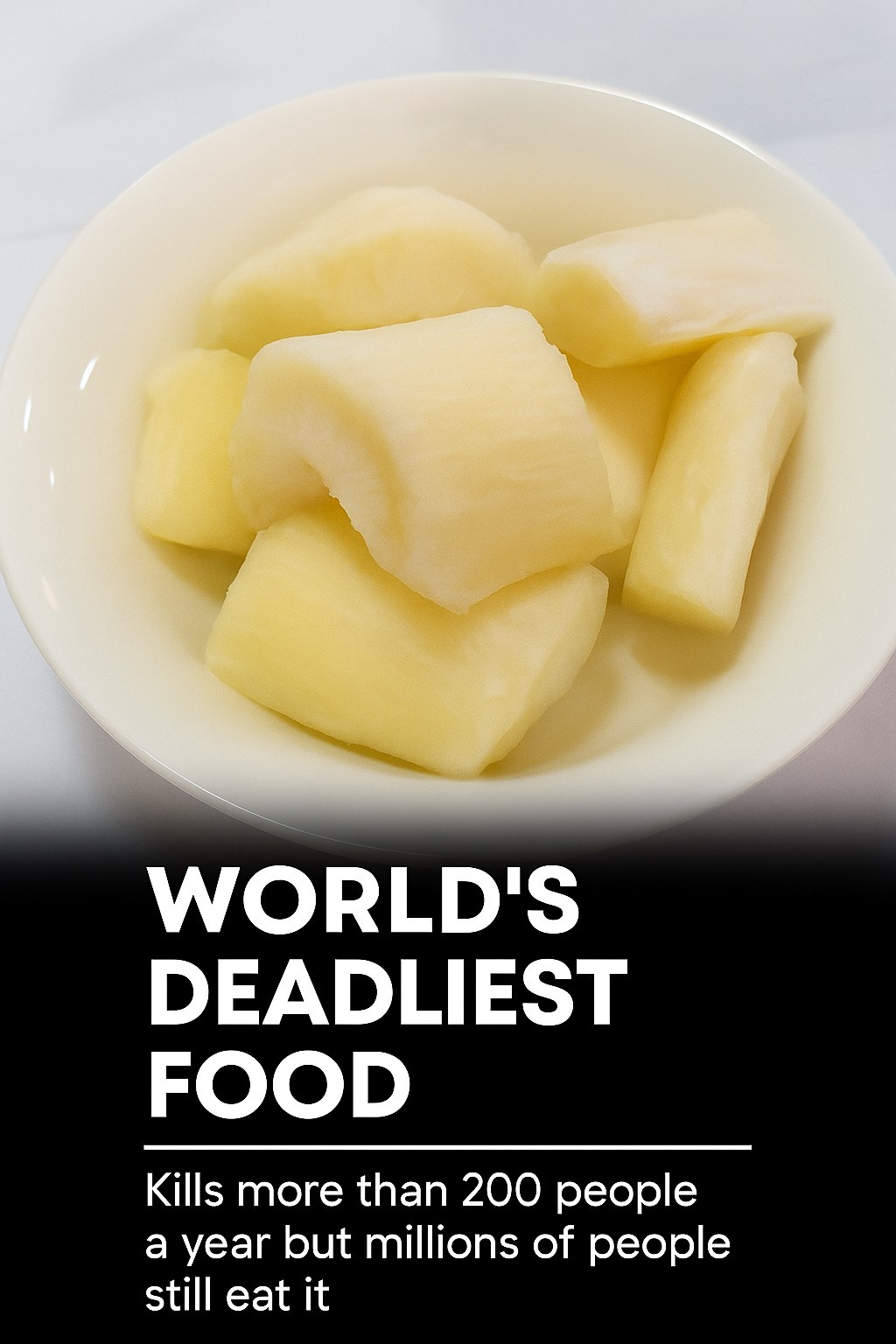
Over 200 People Are Killed by the “World’s Deadliest Food” Every Year — But Nearly 500 Million Still Eat It
Introduction:
It may sound like a paradox, but it’s true: one of the world’s deadliest foods kills more than 200 people annually, and yet it’s still consumed by nearly 500 million people around the world each year. What could be so dangerous that it’s both deadly and popular? The food in question is none other than the infamous fugu — a Japanese delicacy made from pufferfish, a creature that carries one of the most potent toxins known to man: tetrodotoxin.
In this article, we’ll take a closer look at the risks associated with fugu, why people still choose to eat it, and how this dangerous dish is prepared to minimize the risk of poisoning. Let’s dive into the fascinating, yet deadly world of fugu.
What Is Fugu?
Fugu is the Japanese word for pufferfish, and it’s considered one of the most dangerous foods in the world. Pufferfish are infamous for their ability to inflate into a ball when threatened, but what makes them particularly dangerous is their ability to carry a potent neurotoxin called tetrodotoxin, which is found in their tissues and organs, particularly the liver, ovaries, and skin. This toxin is over 1,000 times more lethal than cyanide and can cause paralysis, respiratory failure, and death if ingested in even tiny amounts.
Despite these risks, fugu has been a part of Japanese cuisine for centuries, and it’s considered a delicacy in many fine dining establishments. The allure of consuming this dangerous dish is tied to its rarity and the thrill of eating something so risky, making it a coveted experience for adventurous food lovers.
