
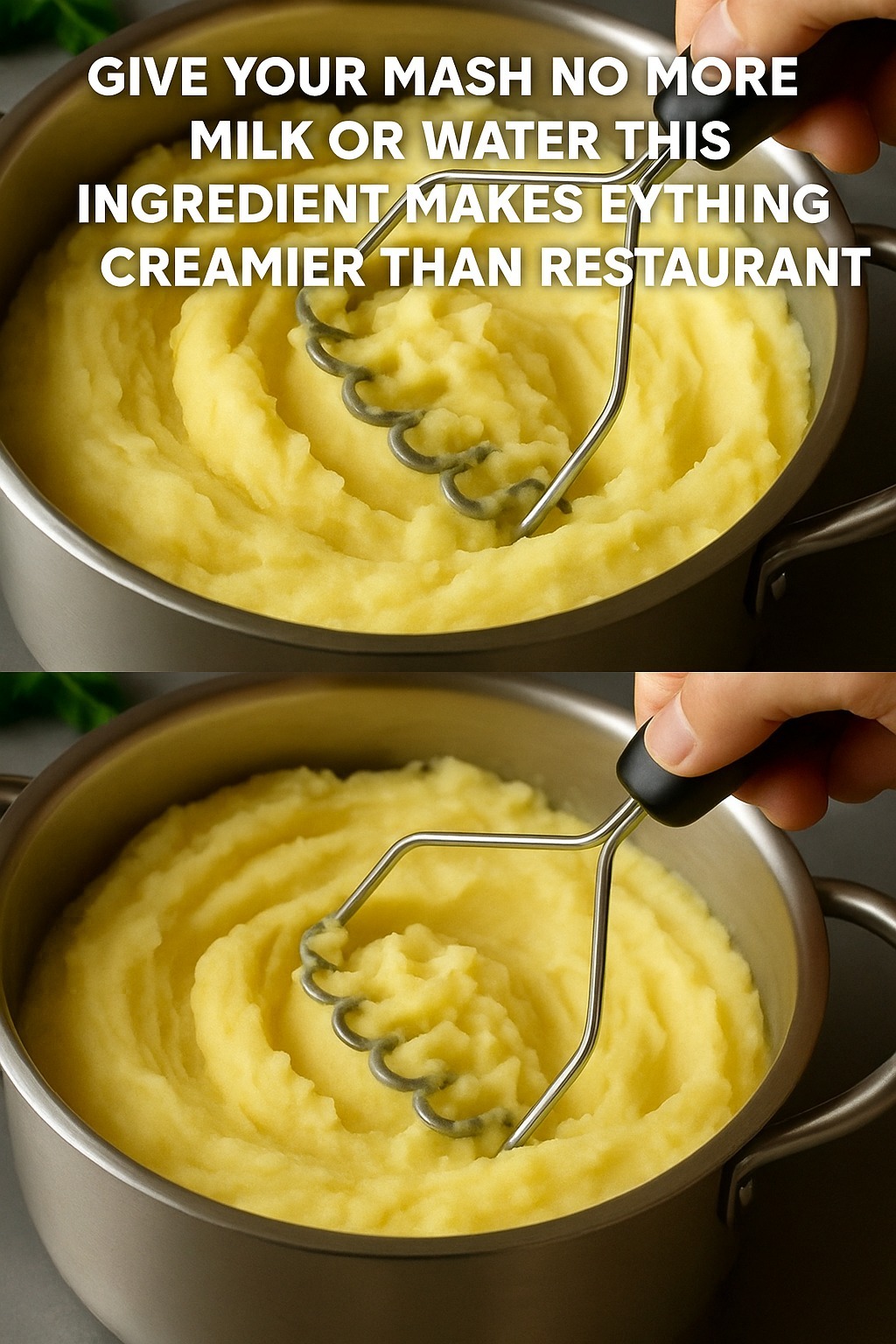
- Choose the Right Potatoes: Start with starchy potatoes like Russets or Yukon Golds. These potatoes are perfect for mashing because they are soft and have a high starch content, which helps create that fluffy texture.
- Boil Properly: Boil your potatoes in salted water until they are fork-tender. This helps to season the potatoes evenly and ensures they cook properly.
- Warm the Butter: Instead of adding cold butter straight into the potatoes, melt the butter first. This helps it blend smoothly into the potatoes, making them extra creamy. Use about ½ cup of butter for every 2 pounds of potatoes. You can even warm up some of the water you cooked the potatoes in and add it to the melted butter for a rich, flavorful liquid.
- Use a Potato Ricer or Masher: Once your potatoes are boiled, mash them with a potato ricer or a masher until smooth. A potato ricer will give you the smoothest texture, but a regular masher can also work well if you don’t mind a bit more texture.
- Add Butter Gradually: Once mashed, begin incorporating the warm butter in stages. Slowly add the melted butter into the potatoes, stirring gently as you go, until they reach a smooth and creamy consistency. You can also add a bit of the reserved cooking liquid for extra richness.
Why Butter Makes a Difference
So why does butter work better than milk or water? Butter is a fat, and fats are essential to creating creamy, rich textures in mashed potatoes. When you use butter, it emulsifies with the potato starch, creating a smooth, velvety texture that’s difficult to achieve with water or milk. Milk, while creamy, has a higher water content, which can make the potatoes less rich and more watery. Water, on the other hand, doesn’t have any fat, which can leave the potatoes feeling dry and bland.
By using a generous amount of butter, you’re adding flavor, moisture, and that signature richness that makes restaurant-style mashed potatoes so irresistible. Additionally, warming the butter before adding it helps ensure it blends seamlessly with the potatoes without leaving clumps of solid fat.
Optional Flavor Enhancements:
If you want to take your mashed potatoes to the next level, here are a few additional flavor-enhancing ideas:
- Garlic Butter: For a savory twist, infuse your butter with garlic. Simply sauté minced garlic in a bit of butter until fragrant, then add it to your mashed potatoes for an extra burst of flavor.
- Herbs: Fresh herbs like chives, rosemary, or thyme add a fresh, aromatic element to your mashed potatoes. Stir them in after the butter for an extra layer of flavor.
- Cream Cheese or Sour Cream: For an even creamier texture and a slight tang, add a dollop of cream cheese or sour cream into your mashed potatoes after mashing them.
- Cheese: Grated Parmesan or sharp cheddar cheese can also be stirred in for an extra savory punch.
Conclusion:
Next time you make mashed potatoes, skip the milk and water and instead use butter as your secret ingredient. By warming the butter and slowly incorporating it into your mashed potatoes, you’ll create a creamy, rich texture that will rival any restaurant’s mashed potatoes. This simple tip from a celebrity chef will take your side dish from ordinary to extraordinary, all with one ingredient. So go ahead, try it out, and enjoy the creamiest mashed potatoes you’ve ever tasted!
Trust me, your family and guests will be asking for the recipe!
