
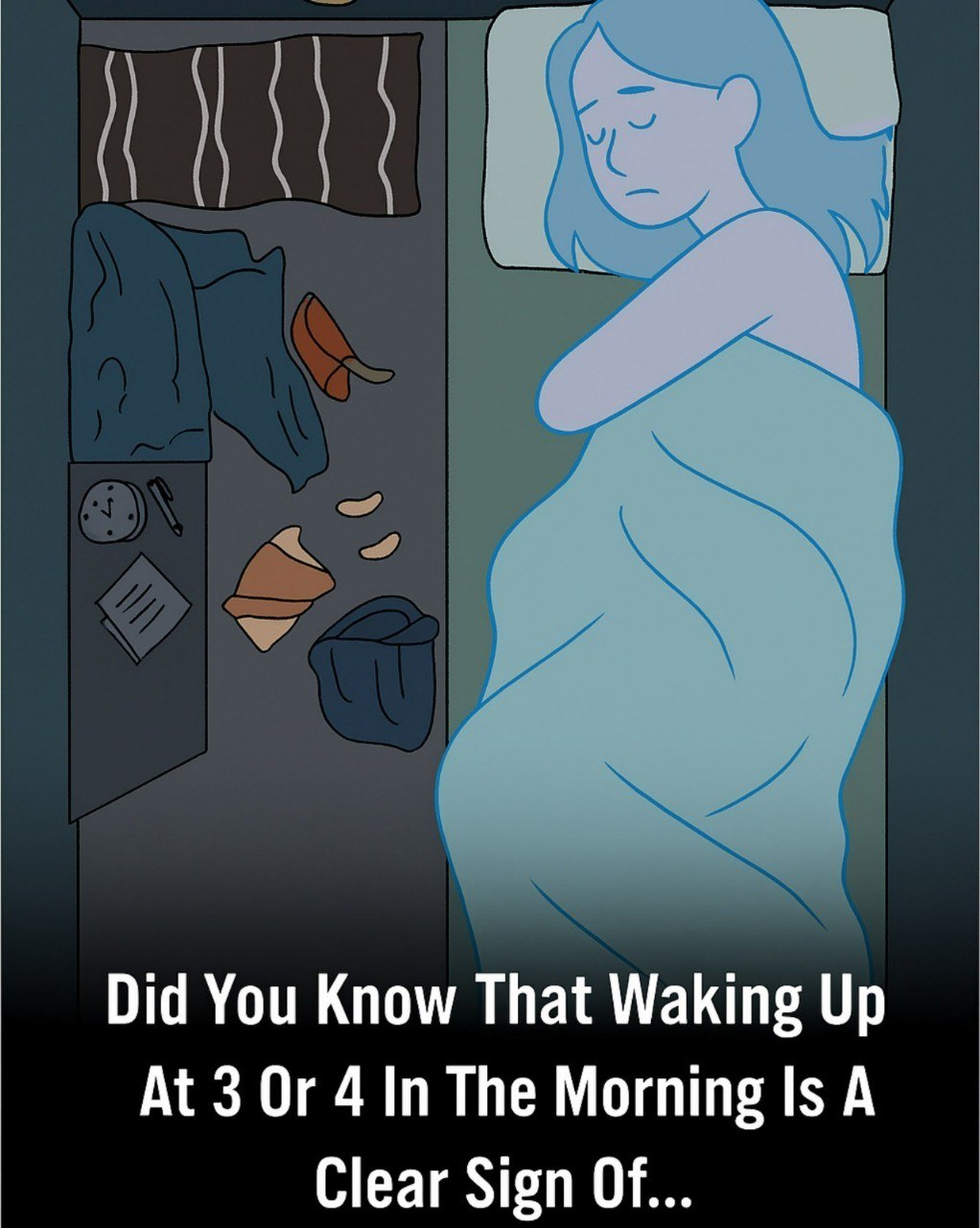
Another factor that could explain waking up at 3 or 4 a.m. is hormonal imbalances. Hormones play a crucial role in regulating sleep, and disruptions in your hormonal levels—such as those related to menopause, thyroid problems, or stress—can lead to waking up in the early hours.
For example, many women experience sleep disturbances during menopause due to a decrease in estrogen and progesterone, which can affect their ability to stay asleep through the night. Similarly, an overactive thyroid can increase energy levels at night, causing a disruption in sleep.
What to Do:
- If you suspect a hormonal imbalance, it’s important to consult with your doctor for a proper diagnosis and treatment plan.
- For menopausal women, lifestyle changes, supplements, and even hormone replacement therapy (HRT) might help alleviate symptoms.
3. Digestive Issues
If you find that you often wake up around 3 a.m. and feel uncomfortable or have a bloated stomach, digestive problems might be the cause. Acid reflux, indigestion, or other digestive issues are more likely to disturb your sleep in the early hours of the morning. Lying down after a heavy meal can cause stomach acids to rise, resulting in discomfort or waking up from pain.
What to Do:
- Avoid eating large meals or acidic foods before bed.
- Elevate your head while sleeping to reduce the risk of acid reflux.
- If symptoms persist, see a doctor for advice on managing digestive issues.
4. Liver Function (Traditional Chinese Medicine)
In Traditional Chinese Medicine (TCM), waking up between 1 and 3 a.m. is often associated with the body’s liver function. The liver is thought to be most active during these hours. If you consistently wake up around 3 or 4 a.m., it may be an indication that your liver is overburdened or stressed, possibly due to poor diet, alcohol consumption, or toxins in the body.
What to Do:
- Consider reducing alcohol consumption, as it can put strain on your liver.
- Focus on a healthy diet rich in antioxidants, leafy greens, and foods that support liver health (such as turmeric, garlic, and cruciferous vegetables).
- Detox with plenty of water, herbal teas like dandelion root, or green juices to support liver function.
5. Sleep Cycle Disruption
Sometimes, waking up at 3 or 4 a.m. can be a sign that your sleep cycle is disrupted. Our bodies have a natural circadian rhythm, and if you’re experiencing changes in your routine—like traveling, working late nights, or waking up at different times each day—your internal clock may be out of sync, causing you to wake up during odd hours.
What to Do:
- Try to keep a consistent sleep schedule, going to bed and waking up at the same time every day, even on weekends.
- Make sure your bedroom environment is conducive to sleep (dark, cool, and quiet).
- Limit caffeine and heavy meals, especially later in the day, as they can interfere with your sleep cycle.
6. Sleep Apnea
Sleep apnea is a condition where your breathing stops and starts while you’re sleeping. This can cause frequent awakenings throughout the night, often during the early morning hours. People with sleep apnea may also snore loudly, feel fatigued during the day, or experience shortness of breath while sleeping.
What to Do:
- If you suspect sleep apnea, it’s important to consult a doctor. Sleep studies and treatments like CPAP therapy may be necessary.
Conclusion
Waking up at 3 or 4 a.m. regularly is not something to ignore. It could be a sign that something is affecting your health, whether it’s emotional stress, a hormonal imbalance, digestive issues, liver function, sleep cycle disruption, or even sleep apnea. Paying attention to these patterns and addressing potential underlying issues is the best way to improve your sleep quality and overall well-being. If these disturbances persist, it’s always wise to consult a healthcare provider to explore the cause and find appropriate solutions.
Note: While some of these conditions can be managed with lifestyle changes, others may require professional medical intervention. Don’t hesitate to seek help if you’re experiencing ongoing sleep disruptions.
