
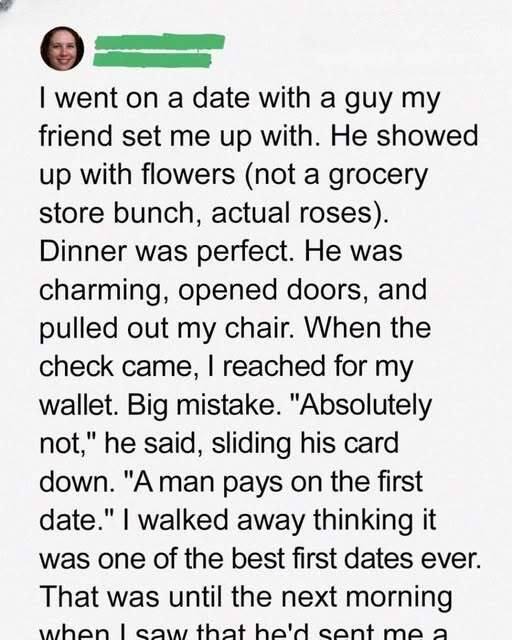
With an itemized list ready, he emailed it to his partner. The invoice was professional, neat, and surprisingly formal. It was complete with payment instructions and even late fees for unpaid emotional debts. When his partner received it, the reaction was… well, let’s just say unexpected.
Follow these steps to create your own “Invoice for Love”:
- Step 1: Start by tracking your emotional and physical investments in the relationship. Make a note of all the ways you’ve contributed, from cooking dinner to emotional support.
- Step 2: Break everything down into billable line items—listening to problems, comforting, helping with tasks, etc. Get detailed.
- Step 3: Set your rates. Consider what you’d charge per hour for emotional labor, or what you’d cost as a “romantic partner” in this business arrangement.
- Step 4: Add any late fees or penalties for emotional neglect, missed dates, or unreciprocated efforts.
- Step 5: Send your invoice. Be prepared for an unpredictable response!
Serving and Storage:
The “Invoice for Love” might not be something you want to store in the typical sense, but the idea itself has lasting implications. The response to the invoice—whether it’s an apology, an argument, or a complete break-up—will determine how the situation unfolds. If you find yourself in a relationship where love feels like a transaction, it may be time to re-evaluate your priorities and emotional investments.
Serving this “dish” might be most effective during a moment of high tension or emotional clarity, when both parties are ready to have a serious conversation about their feelings and contributions to the relationship.
Tips:
- Tip 1: Before sending an “Invoice for Love,” be sure to have an open conversation with your partner about your feelings. A well-timed heart-to-heart may solve the issue without the need for a formal request for payment!
- Tip 2: Use this as a way to gauge how much your partner values the relationship. If they respond with understanding and an open discussion, there may still be hope.
- Tip 3: Make sure you’re not keeping score. Healthy relationships should be based on mutual care, not one person counting emotional hours.
- Tip 4: Remember that love cannot truly be “monetized.” While it’s important to communicate your needs, try not to reduce affection to just a series of transactions.
Variations:
- Variation 1: Instead of an invoice, write a heartfelt letter explaining your feelings of imbalance. Express your emotional needs without the use of numbers or bills.
- Variation 2: Instead of giving an invoice, you could present a “relationship audit,” where you evaluate the emotional investment on both sides to gain clarity about where things stand.
- Variation 3: If humor is your thing, send a playful “love bill” that lists silly charges, like “giving unsolicited advice” or “watching movies you hate” to lighten the mood before addressing any serious concerns.
Conclusion:
The man who sent an invoice for love might have been taking things a bit too far, but it’s a dramatic and memorable example of how sometimes, the balance of effort in a relationship can feel unequal. While love isn’t a transaction (and shouldn’t be treated as such), there’s nothing wrong with expecting fairness and reciprocity. If you find yourself in a relationship where the emotional costs are piling up, it’s important to address the situation in a healthy, productive way.
Love is valuable, but it shouldn’t feel like you’re working for it—so if you ever find yourself tempted to send an invoice, maybe first try a heart-to-heart. After all, the true value of affection is priceless.
FAQ:
- Q: Is it really appropriate to send an invoice for love?
- A: While the idea of sending an invoice might be humorous or dramatic, it’s usually better to have an open conversation with your partner about your emotional needs and concerns. Treating love like a transaction can sometimes cause more harm than good.
- Q: What should I do if I feel like I’m giving more in a relationship?
- A: If you feel unappreciated, try talking to your partner honestly about how you feel. It’s important to set boundaries and communicate your needs without resorting to extreme measures.
- Q: How can I avoid keeping score in a relationship?
- A: Healthy relationships are about mutual respect and understanding. Focus on giving because you want to, not because you’re keeping track of every little thing. If you feel overwhelmed, it’s okay to talk about your feelings and adjust the balance together.
