
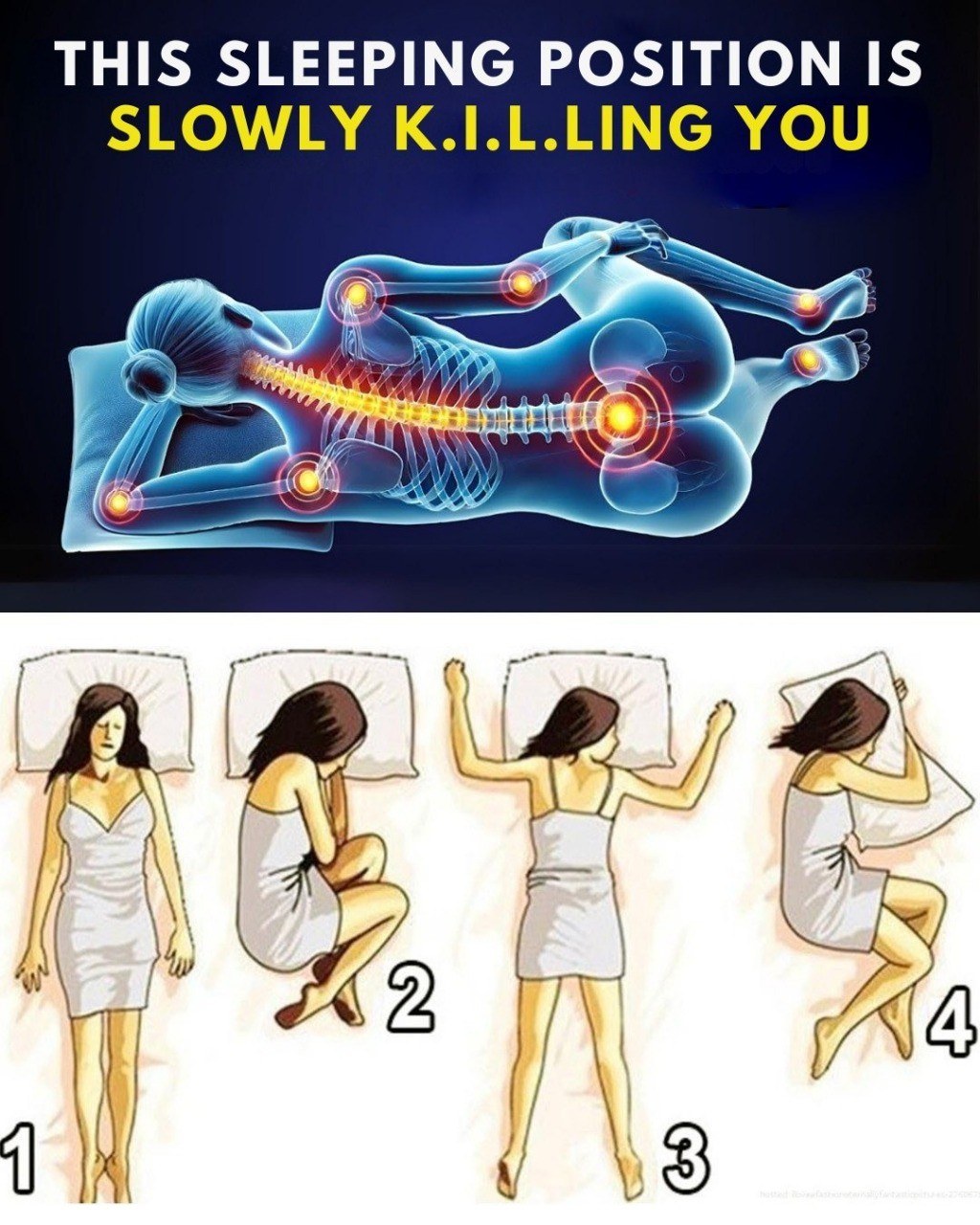
When you sleep on your stomach, your chest is compressed, and it becomes more difficult to breathe deeply. This position restricts your diaphragm and can lead to shallow breathing, which reduces the amount of oxygen your body takes in during the night. Over time, this can lead to a lack of restorative sleep and cause you to feel fatigued or groggy during the day.
4. Pressure on Internal Organs
Sleeping on your stomach can also put pressure on your internal organs. Your lungs and digestive organs are compressed, which can lead to discomfort, bloating, and gas. If you have gastrointestinal issues like acid reflux, stomach sleeping can worsen symptoms and increase the likelihood of nighttime heartburn. Similarly, sleeping on your stomach can put added pressure on your heart, which may cause discomfort, particularly for those with pre-existing heart conditions.
How to Correct Your Sleeping Position
If you find yourself consistently sleeping on your stomach, you might be wondering how to change your sleeping position for better health. While it can be difficult to break old habits, there are a few strategies that can help you transition to a healthier sleep posture:
1. Try Sleeping on Your Back
Sleeping on your back is one of the best sleeping positions for spinal health. It allows your spine to remain neutral and evenly supported, reducing the risk of back and neck pain. You can place a small pillow under your knees to maintain the natural curve of your lower back. Additionally, sleeping on your back helps to reduce pressure on your organs and promotes better breathing.
2. Side Sleeping with Proper Alignment
If you find back sleeping uncomfortable, the next best option is sleeping on your side. When you sleep on your side, it’s important to keep your body properly aligned. Use a firm pillow to support your neck and ensure that your head is level with your spine. Placing a pillow between your knees can also help keep your hips aligned and reduce pressure on your lower back.
3. Gradual Transition
If you’re used to sleeping on your stomach, it can be difficult to change your sleeping habits overnight. Start by trying to sleep on your side or back for short periods, gradually increasing the time as your body gets used to the new position. You can also use pillows to block yourself from rolling over onto your stomach during the night.
Other Tips for Better Sleep Health
In addition to changing your sleeping position, here are a few other tips that can help improve the quality of your sleep and protect your health:
- Invest in a supportive mattress: Make sure your mattress provides proper support for your body. A medium-firm mattress is often recommended for spinal alignment.
- Use pillows to support your neck and spine: A good pillow can help maintain the proper alignment of your head and neck while you sleep, reducing strain on your muscles.
- Establish a regular sleep schedule: Going to bed and waking up at the same time each day helps regulate your sleep cycle and improves sleep quality.
- Avoid caffeine and heavy meals before bed: Stimulants like caffeine and large meals can disrupt your sleep and make it harder to fall asleep in a comfortable position.
Conclusion
While sleeping on your stomach may seem comfortable in the moment, it can lead to significant health problems over time. The pressure it places on your spine, neck, and organs can lead to chronic pain and discomfort, as well as breathing problems and digestive issues. By making a conscious effort to improve your sleeping posture, you can reduce your risk of developing these problems and promote better overall health.
Switching to a healthier sleep position, such as sleeping on your back or side, is one of the best steps you can take to protect your body during sleep. And remember, small changes can make a big difference—so take the time to prioritize your sleep posture for a healthier tomorrow.
