
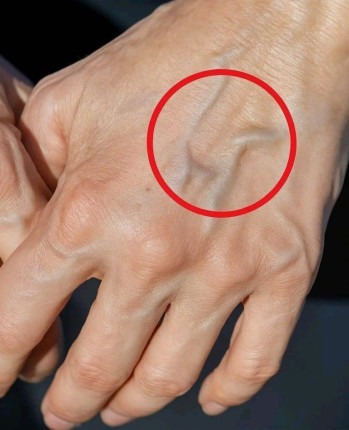
Why it Happens: One of the most common reasons for visible veins is having low body fat. When you have a lower percentage of body fat, your skin becomes thinner, and veins beneath the skin become more prominent. This is often seen in people who are highly athletic or those who have a naturally lean physique.
When to Worry: Generally, visible veins due to low body fat are not a cause for concern. It’s a normal result of having a fit, lean body. However, if this is accompanied by other signs like cold hands or feet, dizziness, or pain, it’s worth checking with a healthcare provider.
2. Physical Activity and Exercise
Why it Happens: During exercise, your body demands more oxygen and nutrients, which causes your heart to pump blood faster. As a result, blood flow increases to the muscles being used, which can make veins become more visible. This is especially common in people who engage in weight lifting or cardiovascular exercise.
When to Worry: For most people, visible veins during or after exercise are completely normal and are usually a temporary phenomenon. However, if veins remain swollen and visible for an extended period or are accompanied by pain, it might be worth seeing a doctor.
3. Age
Why it Happens: As we age, our skin loses collagen and becomes thinner, which can make veins more noticeable. Additionally, the walls of our veins weaken over time, and the valves inside veins that help regulate blood flow may become less effective. As a result, veins can bulge and become more visible, particularly in areas like the hands, arms, or legs.
When to Worry: Visible veins due to aging are usually not a medical concern unless you notice swelling, heaviness, or pain in the affected area. These symptoms might indicate a more serious condition, such as varicose veins.
4. Genetics
Why it Happens: Some people are genetically predisposed to having more visible veins. If your parents or grandparents had prominent veins, you may be more likely to experience this yourself. Certain individuals naturally have thinner skin or veins that are closer to the surface, which can make veins appear more visible.
When to Worry: If the visible veins are not accompanied by discomfort or swelling, they are most likely a result of genetics. However, if you notice changes in the color or size of your veins, it might be worth discussing with a healthcare provider.
5. Hormonal Changes
Why it Happens: Hormonal fluctuations, especially during pregnancy, menstruation, or menopause, can cause veins to become more prominent. During pregnancy, the body produces more blood, and the volume of circulating blood increases, which can make veins more noticeable. Hormonal changes also affect the elasticity of your blood vessels.
When to Worry: Hormonal changes that cause visible veins are generally temporary and resolve after the hormonal shifts subside. However, if you experience severe swelling, pain, or changes in vein color, it’s important to consult a doctor.
6. Varicose Veins
Why it Happens: Varicose veins are swollen, twisted veins that are often visible beneath the skin. They occur when the valves inside the veins weaken or become damaged, causing blood to pool in the vein rather than flowing back toward the heart. This condition is more common in the legs and is often linked to factors like prolonged sitting or standing, obesity, or pregnancy.
When to Worry: If visible veins are accompanied by symptoms such as pain, swelling, heaviness, or aching, you may have varicose veins. While they are often not a major health risk, varicose veins can sometimes cause discomfort and lead to complications if left untreated. It’s a good idea to see a doctor if you suspect varicose veins.
7. Blood Clots or Deep Vein Thrombosis (DVT)
Why it Happens: A blood clot in a vein, particularly in the legs (deep vein thrombosis or DVT), can cause the vein to become swollen and visible. This condition can be life-threatening if the clot breaks loose and travels to the lungs, causing a pulmonary embolism.
When to Worry: If you notice a visible vein that’s painful, swollen, or warm to the touch, especially if it’s accompanied by redness or difficulty breathing, seek medical attention immediately. Blood clots can be serious, and timely medical intervention is crucial.
What to Do If You Have Visible Veins
In most cases, visible veins are harmless and are simply a result of normal bodily changes like exercise, age, or genetics. However, if you notice any of the following symptoms, it’s important to consult a healthcare provider:
- Persistent swelling or pain in the affected area
- Change in the size or color of the veins
- Warmth or redness around the visible veins
- Difficulty breathing or chest pain (for possible blood clots)
Conclusion
Visible veins can be a normal occurrence in a healthy body, especially for those with low body fat, active lifestyles, or certain genetic traits. However, in some cases, they can be a sign of underlying issues like varicose veins or even blood clots. If you’re concerned about your visible veins or experience any unusual symptoms, it’s always a good idea to consult a healthcare professional to ensure your veins are healthy and functioning properly.
