
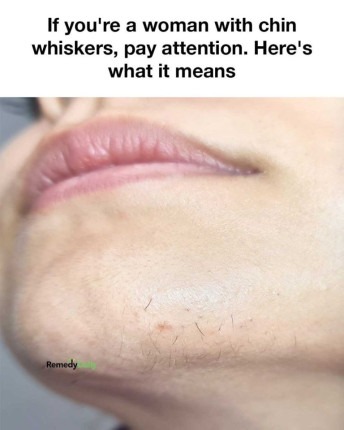
What It Is: Polycystic ovary syndrome (PCOS) is a common condition that affects the hormone levels of women, often causing an imbalance that leads to excessive hair growth on the face, including the chin. PCOS is also associated with irregular periods, acne, and weight gain.
What to Look For: If you’re experiencing chin whiskers along with other symptoms like irregular periods, acne, or weight gain, you might have PCOS. It’s essential to consult a healthcare provider for diagnosis and treatment options. Treatment may include lifestyle changes, medications, or hormonal therapies.
4. Stress and Cortisol Levels
What It Is: Chronic stress can affect your body in many ways, including hormonal fluctuations. When your body is under stress, it produces cortisol, a hormone that can increase the production of androgens, the male hormones that stimulate hair growth on the face and chin.
What to Look For: If you’re experiencing high levels of stress, anxiety, or depression, along with the growth of chin whiskers, it could be linked to higher cortisol levels. Reducing stress through techniques like exercise, meditation, and mindfulness may help regulate hormone production and reduce the growth of unwanted facial hair.
5. Medications or Birth Control Pills
What It Is: Certain medications, especially those containing synthetic hormones, can cause side effects that lead to increased facial hair growth. Birth control pills, for example, may lead to changes in hormone levels, causing hair to grow on the chin and other areas of the face. Other medications, such as anabolic steroids or those used to treat certain types of cancer, may have similar effects.
What to Look For: If you’ve recently started a new medication or hormonal treatment and notice the appearance of chin whiskers, it’s a good idea to consult your doctor. Your doctor may be able to adjust your prescription or suggest alternative treatments.
6. Genetics and Family History
What It Is: Genetics play a large role in the development of facial hair. If your mother or grandmother had chin whiskers, it’s possible that you may inherit this trait as well. This type of hair growth tends to be gradual and can increase as you age.
What to Look For: If facial hair growth runs in your family, there may not be an underlying health issue. However, it’s still important to monitor changes and make sure they don’t accompany other troubling symptoms. If you’re concerned about the amount of facial hair, there are hair removal options, including waxing, threading, or laser treatments.
7. Underlying Health Conditions
What It Is: In rare cases, an increase in chin whiskers can be a sign of a more serious underlying health condition. Conditions such as Cushing’s syndrome, adrenal gland disorders, or other endocrine issues can disrupt the body’s hormone balance and lead to abnormal hair growth.
What to Look For: If you notice other symptoms such as sudden weight gain, fatigue, high blood pressure, or changes in skin texture, it’s important to consult with a doctor for a thorough evaluation.
What You Can Do About Chin Whiskers
If you’re concerned about chin whiskers or excessive facial hair growth, here are a few steps you can take:
- Consult a Doctor: A healthcare provider can help determine if your chin whiskers are related to hormonal imbalances, PCOS, or other health conditions.
- Maintain a Healthy Lifestyle: Eating a balanced diet, managing stress, and exercising regularly can help regulate hormone levels and improve overall health.
- Hair Removal Methods: If you’re uncomfortable with the appearance of chin whiskers, consider temporary solutions such as shaving, waxing, or threading. Permanent solutions, such as laser hair removal, may be an option for some individuals.
- Monitor Hormonal Health: If your facial hair is linked to menopause or hormonal changes, managing hormone levels through lifestyle changes or medical treatments may help reduce unwanted hair growth.
Conclusion:
Chin whiskers can be a natural part of aging, but they can also indicate underlying hormonal imbalances, stress, or even certain health conditions. If you notice an increase in facial hair growth, particularly if accompanied by other symptoms, it’s important to consult a healthcare provider for a thorough evaluation. Hormonal changes and health conditions can often be managed with appropriate treatments, so taking action early is key to ensuring your overall health and well-being.
