
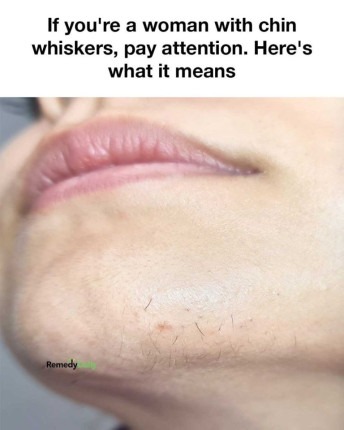
What Chin Whiskers Could Be Telling You About Your Health
Introduction:
Chin whiskers, or the development of dark, coarse hairs on the chin, are something that many people experience at different points in their lives. While it’s normal to have fine, soft hair on your face, some individuals develop more noticeable whiskers. But what could chin whiskers be telling you about your health? This article will explore possible reasons for chin whiskers and what they might indicate about your physical and hormonal health.
1. Hormonal Imbalance
What It Is: One of the most common reasons for the growth of chin whiskers, especially in women, is hormonal imbalance. An increase in androgen hormones—like testosterone—can lead to more noticeable hair growth on the face, including the chin. This can happen during puberty, pregnancy, or menopause, or as a result of certain medical conditions.
Possible Causes:
- Polycystic ovary syndrome (PCOS)
- Menopause
- Hirsutism (excessive hair growth due to hormonal imbalance)
- Medications or hormone therapy
If you notice an increase in chin whiskers or other signs of excessive hair growth, it’s worth discussing with a doctor. Testing hormone levels can provide insight into whether there’s an underlying imbalance.
2. Menopause and Aging
What It Is: As women age and enter menopause, their hormone levels fluctuate significantly, particularly estrogen levels. This decrease in estrogen can lead to an increase in the relative levels of testosterone, the hormone responsible for male-pattern hair growth. This often results in the growth of chin whiskers, along with other changes like thinning hair on the scalp.
What to Look For: If you are in your late 40s or early 50s and notice more chin whiskers or facial hair, it could simply be a part of the aging process. However, it’s important to monitor these changes and consult a healthcare provider if the hair growth seems excessive.
